





Juliette's Best Tips
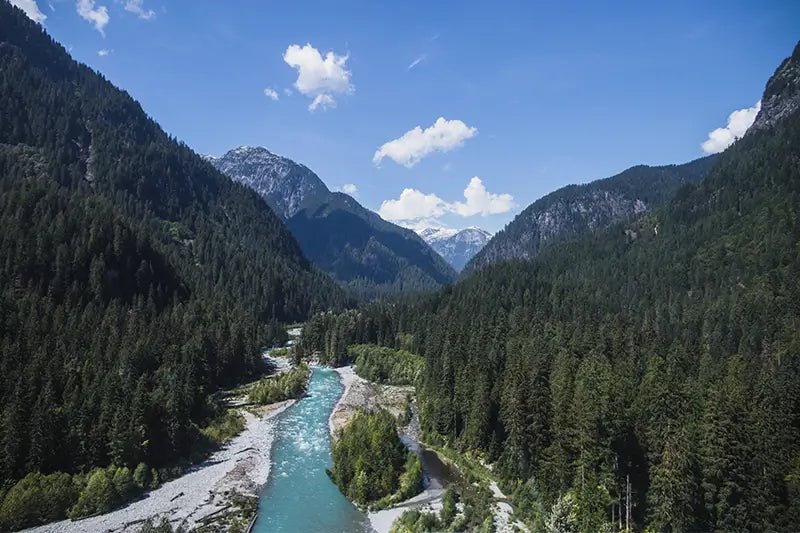
For many outdoor enthusiasts, Patagonia evokes a promise of adventure: vast and wild landscapes, endless mountain ranges, mild weather, and generous rivers. So when my friends suggested this trip—perfectly timed to celebrate my 30th birthday—I couldn’t say no. I had certain expectations going into the adventure, but the experience far exceeded anything I could have imagined. I wish every fly angler could live something like this at least once in their lifetime. With that in mind, here’s my contribution: I’m sharing my best tips to help you plan and succeed on a fly fishing trip to Patagonia.
Traveling to Patagonia for fishing requires a certain level of preparation. It’s a destination that feels very far from Quebec—both geographically and culturally. Before leaving, it’s important to know that Patagonia offers several distinct fishing regions. As for us, we chose to head to Coyhaique, in southern Chile, for a two-week stay, which I believe is the minimum amount of time to truly make the trip worthwhile.
It’s possible to plan a trip entirely lodge-based, to travel independently, or to combine the two, as we did. Spending the first week in a lodge allows you to ease into the country, local fishing techniques, and the environment. You then leave with the right tools and confidence to explore the region at your own pace.

Best Time to Travel
Since Chile is located in the Southern Hemisphere, the seasons are reversed. Fishing season therefore starts in November (spring) and runs through May.
We traveled in mid-November, an ideal time to target large trout in spring creeks. Fish are more aggressive, and pressure is lighter than during peak season, which runs from December to February. Depending on your goals, every period between November and May offers its own advantages—whether it’s surface action during the heat of summer or targeting migratory trout late in the season.
Personally, I loved traveling in the spring. Aside from a few cooler mornings, the weather was mild (around 20 °C), the flowers were bursting with color, and big trout were plentiful.

Getting There
Long flights can be intimidating, but realistically, if everything goes smoothly, it’s not so bad—just a few movies and some long naps on the plane.
The closest airport to Coyhaique is Balmaceda, about an hour’s drive away. When we looked at flights to Balmaceda, we were surprised by how expensive they were. We therefore chose to book an international flight from Montreal to Santiago, followed by a domestic flight from Santiago to Balmaceda with a local airline. This option saved us a significant amount of money.
An important tip: if you choose this option, make sure to allow for a long enough layover in Santiago. We underestimated the time required and had to rebook a domestic flight at double the price.
Local Transportation
If you’re staying at a lodge, transportation from the airport is usually included. For independent travel, it’s easy to rent a car directly at Balmaceda airport. I highly recommend a four-wheel-drive vehicle to maximize access to fishing spots, which are often located along secondary roads.
Accommodation
Coyhaique and its surroundings offer many Airbnb options. If you’re traveling with others, this is a great way to reduce costs. For our second week, we rented a charming little house by a river, just ten minutes from town.
Gear to Bring
I’ve always traveled with my rod tubes as carry-on luggage without any issues—except this time. With multiple layovers and varying airport regulations, I now recommend checking rod tubes in your luggage, well protected.
For an early-season trip, I suggest bringing:
-
A #5 rod for small streams (fast action for precision)
An extra #5 or #6 rod as a backup
A #7 rod for windy days, lake fishing, or targeting large trout
A reel with floating line for the #5
A reel with sinking line or sinking tips for lake outings
A solid fly selection is essential, but here are the must-haves:
- Woolly Buggers (#6–8) in various colors
- Foam flies
- Nymphs for upper-dropper rigs
- Gink for dry flies
-
A landing net large enough (mine was too small—the guides called it “the teaspoon”)
Also don’t forget:
- A good windbreaker
- Warm clothing for cool mornings
-
Accessories to protect your neck and ears (the wind can be surprisingly strong)

Additional Tips
- Don’t forget your electrical outlet adapter
- Basic Spanish is highly recommended. Very few people speak English, and even a small effort is always appreciated.
-
Most expenses can be paid by credit card, but I recommend carrying some cash (Chilean pesos), especially if you plan to fish with guides so you can leave a tip.
Patagonia isn’t just about fishing: mountain biking, climbing, rafting, hiking—the possibilities are endless. If you’re going for two weeks, I strongly recommend bringing hiking boots to explore the spectacular Cerro Castillo National Park, in the heart of the Andes.
My Favorite Spots in Coyhaique
Chile Trout Lodge offers a one-week all-inclusive experience in a cozy, intimate lodge where you quickly feel like part of the family. Nestled on the shores of beautiful Lago Frío, it’s a warm, authentic place deeply connected to its surroundings.
Estancia del Zorro is a remote ranch in the heart of the desert, on the Chile–Argentina border, offering privileged access to private waters and an authentic immersion into Chilean cowboy culture.
Best Restaurants in Coyhaique
- Les Miserables – tacos and cocktails
- Café de Mayo – salads and sandwiches
- Pelegrino – coffee and pastries
- Gastronomía Patagonia – fine dining
-
Mama Gaucho – pizza and cocktails
In Conclusion
Patagonia is a dream destination for fly anglers—and for anyone who loves the outdoors. This trip left me with one clear certainty: I’ll be back, to explore the region even more deeply.